Springtime Wildlife Safaris for Migratory Species
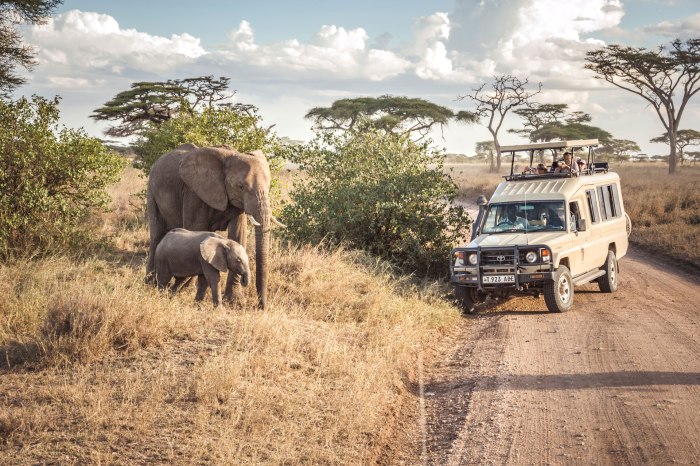
Springtime wildlife safaris for migratory species offer a unique opportunity to witness the incredible journeys these animals undertake each year. As the seasons change, these species travel vast distances to find suitable breeding grounds, making spring a prime time to observe their migration patterns.
The Significance of Timing in Planning a Springtime Wildlife Safari
When planning a springtime wildlife safari, timing is crucial to ensure the best chances of sighting migratory species. Understanding the migration schedules of different species and their arrival times at specific destinations can greatly enhance the safari experience.
Popular Destinations for Migratory Species During Spring
Some popular destinations known for hosting migratory species during spring include the Serengeti National Park in Tanzania, the Pantanal wetlands in Brazil, and the Maasai Mara National Reserve in Kenya. These areas provide rich ecosystems where a variety of migratory species gather in large numbers.
The Importance of Conservation Efforts in Protecting Migratory Species During Springtime Journeys
Conservation efforts play a crucial role in protecting migratory species during their springtime journeys. Habitat loss, climate change, and human activities pose significant threats to these species, making it essential to implement conservation measures to ensure their survival. By preserving their habitats and addressing key threats, we can help safeguard the future of migratory species for generations to come.
Festival Travel
Combining festival experiences with wildlife safaris during spring can offer a unique and enriching travel experience for wildlife enthusiasts. Festivals provide an opportunity to immerse oneself in the local culture, traditions, and celebrations, adding a vibrant touch to the overall journey.
Cultural Festivals and Wildlife Safaris
Exploring unique cultural festivals that coincide with migratory species sightings in different regions can create a memorable travel itinerary. Witnessing traditional dances, music performances, and local cuisine can complement the thrill of spotting diverse wildlife in their natural habitat.
- Plan to attend the Great Migration and Maasai Mara Cultural Festival in Kenya, where you can witness the wildebeest migration while experiencing Maasai traditions and ceremonies.
- Combine the Cherry Blossom Festival in Japan with a wildlife safari in Hokkaido to admire the cherry blossoms and spot iconic Japanese wildlife such as red-crowned cranes and Ezo deer.
- Head to India during Holi, the festival of colors, and pair it with a tiger safari in Ranthambore National Park for a vibrant celebration followed by thrilling wildlife encounters.
Planning Your Itinerary
When planning a festival and wildlife safari itinerary for springtime travel, consider the following tips:
- Research the festival dates and wildlife migration patterns to ensure they align for a seamless experience.
- Book accommodations in advance, especially during popular festivals, to secure a comfortable stay.
- Allocate time for both festival activities and wildlife excursions to make the most of your trip.
- Be open to immersing yourself in the local culture, trying traditional foods, and participating in festival events for an authentic experience.
Hiking Trails
When embarking on a springtime wildlife safari to observe migratory species, hiking can provide a unique and immersive experience in nature. Exploring the wilderness on foot allows for a deeper connection with the environment and offers a closer look at the diverse wildlife that thrives in these habitats.
Prime Wildlife Viewing Trails
- Yellowstone National Park – Known for its abundant wildlife, Yellowstone offers numerous hiking trails such as Lamar Valley and Hayden Valley, where you can spot bison, elk, and bears during the spring.
- Great Smoky Mountains National Park – With over 800 miles of trails, this park is a haven for birdwatchers during the migratory season, especially along the Gregory Bald Trail and Alum Cave Trail.
- Everglades National Park – Explore the Anhinga Trail and Shark Valley Trail to observe a variety of bird species, alligators, and other wildlife in the unique ecosystem of the Everglades.
Safety Tips and Essential Gear
- Always carry plenty of water, snacks, and a map of the hiking trail.
- Wear sturdy hiking boots with good ankle support to navigate uneven terrain comfortably.
- Be aware of your surroundings and respect wildlife by keeping a safe distance and not approaching or feeding them.
- Pack essentials like a first aid kit, sunscreen, insect repellent, and a whistle for emergencies.
Travel Reviews
When planning a wildlife safari experience, reading travel reviews can play a crucial role in ensuring a memorable and enjoyable trip. These reviews provide valuable insights from fellow travelers who have firsthand experience with the tours and operators, helping prospective travelers make informed decisions.
Importance of Reading Travel Reviews
Before embarking on a springtime wildlife safari for migratory species, it is essential to research and read travel reviews to understand the quality of the experience offered by different tour operators. Here are some reasons why travel reviews are important:
- Authentic Feedback: Travel reviews offer authentic feedback from travelers who have participated in the safari, providing insights into the overall experience, accommodations, guides, and wildlife sightings.
- Reputation Assessment: By reading reviews, you can assess the reputation of tour operators and choose ones known for their professionalism, safety standards, and eco-friendly practices.
- Expectation Management: Reviews help manage expectations by giving you a realistic preview of what to expect during the safari, including any potential challenges or highlights.
Choosing Reputable Tour Operators
Travel reviews can be instrumental in selecting reputable tour operators for springtime safaris, as they act as a guide to the quality of service provided. Here are some ways in which travel reviews can help:
- Positive Feedback: Look for tour operators with consistently positive reviews regarding their knowledgeable guides, comfortable accommodations, and successful wildlife sightings.
- Repeat Guests: Operators with a high number of repeat guests mentioned in reviews indicate customer satisfaction and a well-planned safari experience.
- Response to Feedback: Pay attention to how tour operators respond to feedback in reviews, as it reflects their commitment to customer service and continuous improvement.
Utilizing Travel Reviews Effectively
To make the most out of travel reviews when planning your springtime wildlife safari, consider the following tips:
- Multiple Sources: Consult multiple review platforms to get a comprehensive understanding of the tour operator’s reputation and the safari experience.
- Specific Criteria: Focus on reviews that address your specific concerns or priorities, such as wildlife sightings, photography opportunities, group size, or environmental conservation efforts.
- Recent Reviews: Prioritize recent reviews to ensure the information is up-to-date and reflective of the current quality of service provided by the tour operator.
Travel Accessories
When embarking on a springtime wildlife safari, having the right travel accessories can make all the difference in ensuring a successful and enjoyable trip. From practical items to innovative gadgets, here are some essential accessories to consider packing for your wildlife adventure.
Essential Travel Accessories
- A sturdy and comfortable backpack to carry essentials like water, snacks, camera gear, and binoculars.
- Sunscreen, sunglasses, and a wide-brimmed hat to protect yourself from the sun during long hours of wildlife viewing.
- A lightweight and compact pair of binoculars for spotting distant wildlife with clarity.
- A reusable water bottle to stay hydrated throughout the day without generating plastic waste.
- A power bank to keep your electronic devices charged for capturing photos and navigating trails.
Packing Lightweight and Practical Accessories
When packing for a wildlife safari, it’s crucial to prioritize lightweight and practical accessories to avoid unnecessary bulk and weight. Opt for items that serve multiple purposes and are easy to carry during long walks and hikes in search of wildlife.
Innovative Travel Accessories
- A wildlife tracking device that uses GPS technology to help you locate specific animals in the wild.
- An eco-friendly portable water filter for purifying water from natural sources during your outdoor adventures.
- A solar-powered charger for sustainable energy to keep your devices powered up while reducing your carbon footprint.
Eco-Friendly Travel Accessories
- A biodegradable toiletry kit containing environmentally friendly products that won’t harm the wildlife or ecosystems you encounter.
- Reusable silicone food storage bags for packing snacks and meals without using disposable plastic bags.
- Bamboo hiking poles that are lightweight, durable, and sustainable alternatives to traditional hiking poles.
Road Adventures
Road trips offer a unique and exciting way to experience springtime wildlife safaris for migratory species. The appeal lies in the flexibility and freedom they provide in exploring different habitats of these fascinating animals.
Optimizing Wildlife Sightings
When planning a road trip route for a springtime wildlife safari, it is essential to consider the timing of migration patterns and the best locations for wildlife sightings. Researching the specific species you hope to see and their preferred habitats can help you plan a route that maximizes your chances of encountering these incredible creatures.
- Consider visiting national parks, wildlife reserves, and sanctuaries known for hosting migratory species during the spring season.
- Be prepared to adjust your itinerary based on real-time wildlife sightings and local recommendations from experienced guides or park rangers.
- Look for lesser-known spots or off-the-beaten-path locations that may offer unique opportunities to observe migratory species in their natural habitats.
Vehicle Maintenance and Safety
Ensuring the safety of both yourself and the wildlife you encounter is paramount during road adventures in wildlife-rich areas. Proper vehicle maintenance and safety considerations can make a significant difference in the success of your safari.
- Regularly check your vehicle’s tires, brakes, lights, and fluids before embarking on a wildlife safari to prevent breakdowns or accidents.
- Respect wildlife habitats by observing speed limits, staying on designated roads, and refraining from feeding or approaching animals too closely.
- Pack essential supplies such as water, food, first aid kits, and emergency tools in case of unexpected situations while on the road.
Tropical Islands
When it comes to combining tropical island getaways with springtime wildlife safaris, the possibilities are truly endless. Not only can you enjoy the sun, sand, and sea, but you can also witness unique wildlife species in their natural habitats.
Unique Wildlife Species in Tropical Islands
- Sea Turtles: Tropical islands are home to various species of sea turtles, such as the green sea turtle and loggerhead turtle. Witnessing these majestic creatures nesting on the beaches is a truly unforgettable experience.
- Tropical Birds: From colorful parrots to majestic frigatebirds, tropical islands offer a wide variety of bird species to observe. Keep an eye out for rare and endemic species that can only be found in these island paradises.
- Marine Life: Snorkeling or diving in the crystal-clear waters of tropical islands allows you to encounter a diverse array of marine life, including colorful fish, rays, and even sharks. Don’t miss the chance to swim alongside these fascinating creatures.
Conservation Efforts on Tropical Islands
- Marine Protected Areas: Many tropical islands have established marine protected areas to safeguard their fragile ecosystems and protect endangered species. These conservation efforts help ensure the long-term survival of wildlife in these areas.
- Beach Clean-Up Initiatives: To combat plastic pollution and preserve the pristine beauty of tropical island beaches, many conservation organizations and local communities organize regular beach clean-up events. Joining these initiatives can make a positive impact on the environment.
Eco-Friendly Practices for Travelers
- Choose Sustainable Accommodations: Opt for eco-friendly resorts or lodges that prioritize sustainability and minimize their environmental impact. Look for certifications such as Green Globe or EarthCheck to ensure your accommodation meets high environmental standards.
- Respect Wildlife: When observing wildlife in tropical islands, maintain a safe distance and avoid disturbing animals in their natural habitats. Remember that you are a visitor in their home, and treat them with the respect they deserve.
- Reduce Plastic Use: Bring a reusable water bottle, tote bag, and utensils to minimize single-use plastic waste during your travels. Refill your bottle with filtered water to reduce the consumption of plastic bottles on the island.
Travel Rewards: Springtime Wildlife Safaris For Migratory Species
When it comes to booking springtime wildlife safaris, utilizing travel rewards can be a great way to save money and enhance your overall experience. By earning travel rewards, frequent wildlife safari travelers can enjoy various benefits such as discounted or free accommodations, complimentary meals, and even exclusive wildlife viewing opportunities.
Loyalty Programs for Wildlife Enthusiasts
- Some airlines and hotel chains offer loyalty programs specifically tailored to nature and wildlife enthusiasts. These programs may provide perks like bonus points for booking wildlife-related activities, priority access to guided tours, or special discounts on safari packages.
- By joining these loyalty programs, travelers can accumulate points or miles that can be redeemed for future wildlife adventures, making it more affordable to embark on multiple safaris throughout the spring season.
Tips for Maximizing Travel Rewards
- Sign up for multiple loyalty programs to diversify your rewards and increase your chances of earning valuable perks for your wildlife adventures.
- Keep an eye out for special promotions or bonus point opportunities that can help you fast-track your rewards earnings and maximize your savings on safari bookings.
- Plan your springtime wildlife safaris strategically to take advantage of off-peak travel times when rewards redemption rates may be lower, allowing you to stretch your points or miles further.
Examples of Travel Reward Programs
- Wildlife Rewards Program: Offers exclusive benefits such as discounted safari packages, bonus points for wildlife sightings, and access to members-only wildlife sanctuaries.
- Nature Explorer Miles: Allows travelers to earn miles for participating in eco-friendly activities, with rewards including free guided nature walks, wildlife photography workshops, and sustainable lodging options.
Winter Getaways
As winter fades away and spring approaches, it’s the perfect time to transition from winter getaways to springtime wildlife safaris for migratory species. The changing seasons bring new opportunities to explore diverse ecosystems and witness the wonders of wildlife in their natural habitats.
Destinations for Winter to Spring Wildlife Viewing
During the transition from winter to spring, there are several destinations around the world that offer incredible wildlife viewing opportunities. From the snowy landscapes of Yellowstone National Park in the United States to the lush jungles of Costa Rica, there are plenty of options to witness migratory species in action.
- Yellowstone National Park, USA: Known for its diverse wildlife including bison, elk, wolves, and bears.
- Costa Rica: Home to a wide variety of bird species, monkeys, and sloths in its tropical rainforests.
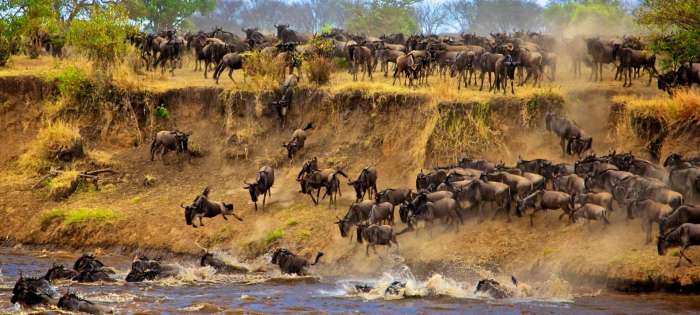
- Maasai Mara, Kenya: Experience the Great Migration of wildebeest and zebras during the spring months.
Tips for Seamless Travel Experiences
Planning a smooth transition from winter getaways to wildlife safaris requires some careful planning. Here are some tips to ensure a seamless travel experience:
- Research wildlife migration patterns in your chosen destination to maximize your chances of spotting migratory species.
- Pack appropriate clothing and gear for both winter and spring conditions, especially if you’re traveling to diverse climates.
- Book accommodations and tours in advance to secure your spot and avoid any last-minute hassles.
- Be flexible with your itinerary to account for any unexpected weather changes or wildlife sightings.
Impact of Changing Seasons on Migratory Species
During springtime safaris, the changing seasons have a significant impact on the behavior of migratory species. As temperatures rise and food sources become more abundant, migratory birds begin their journey back to their breeding grounds, while mammals come out of hibernation to forage and mate.
Understanding how the changing seasons influence wildlife behavior can enhance your wildlife viewing experience and provide a deeper appreciation for the natural world.
Camping Sites
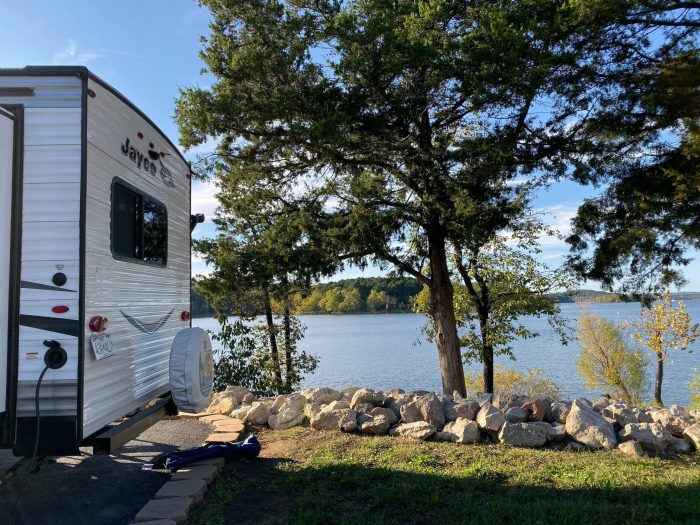
Camping provides a unique and immersive way to experience springtime wildlife safaris, allowing travelers to fully connect with nature and observe migratory species in their natural habitats.
When camping during a wildlife safari, visitors have the opportunity to wake up to the sounds of birds chirping, witness stunning sunrises and sunsets, and truly appreciate the beauty of the surrounding wilderness. Camping offers a sense of adventure and allows for a more intimate experience with the environment.
Recommended Camping Sites for Springtime Wildlife Safaris
- Yellowstone National Park, USA: Known for its diverse wildlife and stunning landscapes, camping in Yellowstone offers the chance to see bison, elk, and other migratory species up close.
- Serengeti National Park, Tanzania: This iconic safari destination provides camping options within the park, allowing visitors to witness the Great Migration of wildebeest and zebras.
- Maasai Mara National Reserve, Kenya: Camping in the Maasai Mara offers the opportunity to see the Big Five and witness the annual migration of millions of wildebeest.
Camping Tips and Essentials
- Choose a sturdy tent and sleeping bag suitable for the spring weather conditions.
- Pack light but essentials such as a flashlight, insect repellent, and portable stove for cooking.
- Bring comfortable clothing and footwear for hiking and exploring the wildlife habitats.
- Respect wildlife and follow park regulations to ensure a safe and memorable camping experience.
Local Cuisine
When embarking on a springtime wildlife safari, exploring the local cuisine can add a whole new dimension to your travel experience. Sampling traditional dishes not only satisfies your taste buds but also allows you to immerse yourself in the culture of the region you are visiting.
Significance of Trying Local Cuisine
Trying local cuisine is an essential part of any travel experience as it offers a unique insight into the traditions, history, and lifestyle of the destination. Food plays a significant role in shaping a region’s identity, and by indulging in local dishes, you get to connect with the place on a deeper level.
Sustainable Food Practices and Farm-to-Table Initiatives
Many wildlife safari destinations are now focusing on sustainable food practices and farm-to-table initiatives to support local communities and minimize environmental impact. By sourcing ingredients locally and promoting ethical farming methods, these initiatives ensure that travelers can enjoy delicious meals while contributing to the preservation of the environment.
Must-Try Local Dishes
- Bobotie in South Africa: A savory dish with minced meat, spices, and an egg-based topping, representing the rich culinary heritage of the country.
- Ceviche in Peru: A refreshing dish of raw fish marinated in citrus juices, mixed with onions, chili peppers, and herbs, reflecting the vibrant flavors of Peruvian cuisine.
- Rendang in Indonesia: A slow-cooked beef stew with coconut milk and a blend of aromatic spices, showcasing the depth of flavors in Indonesian cooking.
- Poutine in Canada: A comforting dish of french fries topped with cheese curds and gravy, a beloved Canadian classic that embodies indulgence and comfort.
Wildlife Safaris
Springtime wildlife safaris provide a unique opportunity to witness the annual migration of various species in their natural habitats. Planning such safaris requires careful consideration of logistics and obtaining the necessary permits to ensure a seamless and responsible wildlife viewing experience.
Role of Experienced Guides
Experienced guides play a crucial role in enhancing the wildlife safari experience during spring. Their in-depth knowledge of the local ecosystem, animal behavior, and tracking skills can greatly increase the chances of spotting migratory species. Additionally, guides can provide valuable insights and ensure the safety of both the wildlife and visitors.
Ethical Considerations
When observing migratory species in their natural habitats, it is essential to uphold ethical considerations. Respect for wildlife, maintaining a safe distance, and minimizing disturbances are key principles to follow. It is important to remember that we are visitors in their home, and our presence should not negatively impact their natural behavior.
Personal Encounters
Springtime wildlife safaris often lead to unforgettable encounters and memorable moments. Whether it’s witnessing the wildebeest migration in Africa, spotting colorful bird species in South America, or observing polar bears in the Arctic, these experiences create lasting impressions and deepen our appreciation for the natural world.
Travel Vlogs
Travel vlogs have become increasingly popular as a medium for sharing springtime wildlife safari experiences. These video logs offer a dynamic and immersive way to document and showcase the beauty of nature and wildlife encounters during safaris.
Storytelling Techniques in Travel Vlogs
- Engaging Narration: Vloggers often use storytelling techniques such as engaging narration to captivate their audience and bring viewers along on the safari adventure.
- Breathtaking Footage: Capturing stunning visuals of wildlife encounters and the surrounding landscapes is crucial in creating a visually appealing travel vlog.
- Personal Touch: Adding a personal touch by sharing insights, emotions, and personal experiences during the safari can help viewers connect with the vlogger and the wildlife experience.
Tips for Creating Travel Vlogs for Wildlife Safaris
- Plan Ahead: Before embarking on a safari adventure, plan your vlog content, including key highlights, locations, and wildlife you want to feature.
- Use Quality Equipment: Invest in a good camera, microphone, and stabilizer to ensure high-quality footage and audio for your travel vlogs.
- Edit Thoughtfully: Editing plays a crucial role in the success of a travel vlog. Take the time to edit your footage creatively to enhance storytelling and engage viewers.
Equipment and Editing Tools for Aspiring Travel Vloggers
| Camera: Consider using DSLR or mirrorless cameras for high-quality video recording. |
| Microphone: Invest in a quality external microphone to capture clear audio during wildlife encounters. |
| Stabilizer: Use a gimbal or stabilizer to ensure smooth and steady footage, especially during movement. |
| Editing Software: Adobe Premiere Pro, Final Cut Pro, or iMovie are popular choices for editing travel vlogs. |
Car Rentals
When embarking on a springtime wildlife safari trip to explore wildlife-rich areas, car rentals can offer the convenience and flexibility needed to navigate through different locations with ease.
Factors to Consider When Renting a Car
- Choose a vehicle with high ground clearance to navigate rough terrain and access remote wildlife viewing spots.
- Opt for a 4WD or AWD vehicle for better traction and control on muddy or slippery roads often found in wildlife safari destinations.
- Consider the size of the vehicle based on the number of passengers and luggage to ensure a comfortable journey.
Selecting the Right Vehicle for Wildlife Viewing
- Look for a car with large windows or a sunroof to enhance wildlife viewing opportunities during the safari.
- Consider renting a vehicle with a spacious trunk or roof racks to accommodate binoculars, cameras, and other wildlife viewing equipment.
- Choose a quiet and fuel-efficient car to minimize disturbances to wildlife and reduce the environmental impact of your journey.
Guidance on Insurance Options and Driving Regulations
- Ensure that the rental car is adequately insured for wildlife safari trips, including coverage for wildlife encounters or damages caused by off-road driving.
- Familiarize yourself with the driving regulations and speed limits in wildlife safari destinations to ensure a safe and enjoyable journey.
- Consider purchasing additional insurance coverage, such as roadside assistance or wildlife collision protection, for added peace of mind during your wildlife safari adventure.
Scenic Routes
When embarking on a springtime wildlife safari, exploring scenic routes can elevate your travel experience to a whole new level. These routes not only offer breathtaking views but also provide ample opportunities for wildlife sightings, making them a must-visit for nature enthusiasts.
Hidden Gems Along Scenic Routes
Detouring off the beaten path along scenic routes can lead you to discover hidden gems that are often missed by mainstream travelers. These hidden spots may offer unique wildlife encounters or stunning landscapes that will leave you in awe.
Picturesque Drives for Nature Lovers, Springtime wildlife safaris for migratory species
- Blue Ridge Parkway: This iconic drive in the Appalachian Mountains offers stunning vistas of rolling hills, lush forests, and diverse wildlife habitats.
- Going-to-the-Sun Road, Glacier National Park: Traverse through towering mountains, glacial lakes, and alpine meadows, showcasing the pristine beauty of the park’s ecosystem.
- Great Ocean Road, Australia: Along this coastal drive, you can witness rugged cliffs, turquoise waters, and the chance to spot koalas, kangaroos, and various bird species.
Tips for Planning Road Trips Along Scenic Routes
- Research the route beforehand to familiarize yourself with key points of interest, wildlife viewing areas, and any necessary permits or restrictions.
- Consider the best time of day for wildlife sightings, such as early morning or late afternoon when animals are most active.
- Pack essential supplies like water, snacks, binoculars, and a camera to capture memorable moments along the way.
- Stay flexible in your itinerary to allow for spontaneous stops or wildlife encounters that may arise unexpectedly.
Weekend Getaways
Planning a weekend getaway for a short springtime wildlife safari can be an exciting and rewarding experience. Despite the limited time frame, it is possible to enjoy memorable wildlife encounters and rejuvenate amidst nature. Here are some tips to make the most out of your weekend wildlife escape during the spring season.
Ideal Destinations for Weekend Wildlife Escapes
- Consider national parks or wildlife reserves located within a few hours’ drive from your city. These destinations offer a quick immersion into nature without spending too much time on the road.
- Look for areas known for their diverse wildlife population during the spring season, such as bird migration hotspots or habitats of seasonal wildlife species.
- Opt for accommodations near the wildlife areas to maximize your time for exploration and minimize travel between your stay and the wildlife sites.
Optimizing Your Weekend Getaway Itinerary
- Prioritize wildlife viewing activities by researching the best times of day to spot specific animals or birds in the area you plan to visit.
- Create a flexible itinerary that allows for spontaneity in case you come across unexpected wildlife sightings or events.
- Include short hikes or guided tours led by local experts to enhance your wildlife experience and learn more about the ecosystem.
Balancing Relaxation and Wildlife Exploration
- Allocate time for relaxation and unwinding amidst nature to avoid feeling rushed during your weekend getaway.
- Choose accommodations with peaceful surroundings or amenities like spa services to ensure a balance between wildlife exploration and relaxation.
- Engage in activities that promote mindfulness and connection with nature, such as birdwatching or nature walks, to enhance your overall experience.
FAQ Resource
When is the best time to go on a springtime wildlife safari?
The ideal time is usually during the peak migration season when you can witness large numbers of species moving to their breeding grounds.
What should I pack for a springtime wildlife safari?
Essential items include binoculars, a camera, lightweight clothing, sturdy shoes, and sunscreen to protect yourself during the safari.
Are springtime wildlife safaris suitable for beginners?
Yes, many tours cater to beginners with experienced guides who provide insights into the wildlife and ensure a safe and enjoyable experience.