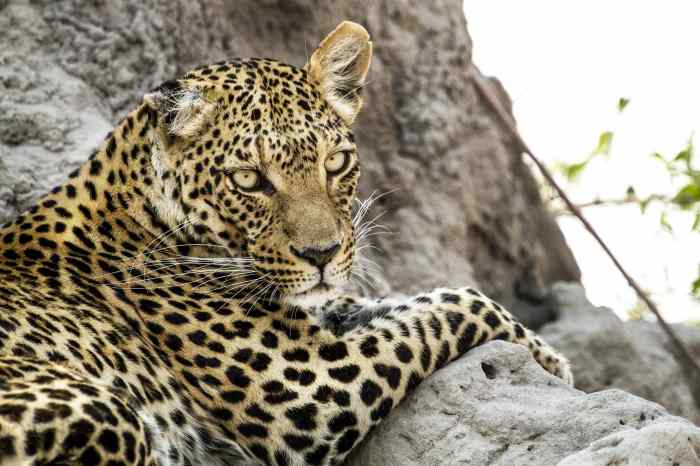
Introduction to Wildlife Photography Safaris in Botswana
Wildlife photography safaris in Botswana offer a unique opportunity to capture stunning images of the diverse and abundant wildlife in their natural habitats. It combines the thrill of safari adventures with the artistry of photography, creating a truly immersive and unforgettable experience.
Why Botswana is a Popular Destination for Wildlife Photography Safaris
Botswana is renowned for its vast and unspoiled wilderness areas, making it a paradise for wildlife enthusiasts and photographers alike. The country boasts a variety of ecosystems, from the Okavango Delta to the Chobe National Park, providing a rich tapestry of landscapes and wildlife to photograph.
The Benefits of Combining Wildlife Photography with Safaris
- Opportunity to capture unique and intimate moments of wildlife in their natural habitat.
- Professional guides with expert knowledge of the best locations and wildlife behavior for photography.
- Enhanced appreciation for nature and conservation efforts through photography.
- Memorable and rewarding experience with like-minded individuals who share a passion for photography and wildlife.
Best Wildlife Photography Locations in Botswana
Botswana is a paradise for wildlife photographers, offering a plethora of breathtaking locations to capture stunning images of diverse wildlife species in their natural habitats.
Chobe National Park
Chobe National Park is renowned for its large elephant population, providing incredible opportunities to photograph these majestic creatures up close. The park is also home to a variety of other wildlife such as lions, leopards, and hippos, making it a prime location for wildlife photography enthusiasts.
Okavango Delta
The Okavango Delta is a UNESCO World Heritage Site and one of the best places in Africa to photograph a wide range of wildlife in a unique wetland environment. From colorful bird species to iconic African mammals like zebras and giraffes, the delta offers a diverse array of subjects for photographers to capture.
Moremi Game Reserve
Moremi Game Reserve is known for its stunning landscapes and abundant wildlife, including the famous Big Five – lions, elephants, buffaloes, leopards, and rhinos. Photographers can expect to capture intimate moments of these magnificent animals in their natural habitat against the backdrop of picturesque scenery.
Photography Equipment for Wildlife Safaris
When embarking on a wildlife photography safari in Botswana, having the right equipment is crucial to capturing stunning images of the incredible wildlife. Here is a list of essential photography gear and tips to help you make the most of your experience.
Types of Cameras and Lenses
When it comes to choosing a camera for wildlife photography, there are a few options to consider:
- DSLR Cameras: Known for their versatility and ability to capture fast-moving subjects, DSLR cameras are a popular choice among wildlife photographers.
- Mirrorless Cameras: These cameras are lightweight and offer high-quality images, making them a great option for wildlife photography.
As for lenses, telephoto lenses are essential for capturing wildlife from a distance. Here are some popular options:
- 70-200mm f/2.8: Ideal for capturing medium to large wildlife at a moderate distance.
- 100-400mm f/4.5-5.6: Great for photographing wildlife in motion or from a distance.
Tips for Protecting Your Equipment
Given the rugged conditions of the wilderness in Botswana, it’s important to take precautions to protect your photography gear:
- Use a weather-sealed camera bag to protect your equipment from dust and moisture.
- Invest in a UV filter to shield your lens from scratches and damage.
- Carry a lens hood to reduce glare and protect your lens from impact.
Wildlife Photography Techniques
Capturing wildlife in action requires specific techniques to ensure stunning and impactful photos. From understanding the behavior of animals to mastering the use of lighting and composition, there are several key factors to consider when photographing wildlife.
Best Practices for Capturing Wildlife in Action
When photographing wildlife in action, it is essential to use a fast shutter speed to freeze movement and capture sharp images. Anticipating the animal’s behavior and movements can help you prepare for the perfect shot. Additionally, using burst mode can increase your chances of capturing that split-second moment.
Importance of Lighting and Composition
Lighting plays a crucial role in wildlife photography, as it can enhance the mood and atmosphere of your photos. The golden hours of sunrise and sunset often provide soft, warm light that can beautifully illuminate your subject. When it comes to composition, consider using the rule of thirds to create visually appealing images and focus on the animal’s eyes to establish a connection with the viewer.
Tips for Approaching Wildlife without Disturbing Their Natural Behavior
Respecting the animals’ space and behavior is paramount when photographing wildlife. To approach animals without causing disturbance, move slowly and quietly, avoiding sudden movements that could startle them. Using natural cover, such as bushes or trees, can help you blend into the environment and capture authentic moments without altering the animals’ natural behavior.
Conservation and Ethics in Wildlife Photography
Photographers play a significant role in conservation efforts by capturing images that raise awareness about endangered species and their habitats. Through their photographs, they can showcase the beauty of wildlife and the importance of protecting these animals and their environments.
Minimizing Disturbance to Wildlife
- Keep a safe distance: Respect the natural behavior of animals by maintaining a safe distance while photographing them.
- Avoid overcrowding: Limit the number of photographers around an animal to prevent stress and disturbance.
- Use a telephoto lens: Capture close-up shots without getting too close to the animals by using a telephoto lens.
Respecting Wildlife Habitats
- Stay on designated paths: Avoid trampling vegetation or disturbing habitats by sticking to designated paths and trails.
- Do not feed animals: Feeding wildlife can disrupt their natural diet and behavior, leading to potential harm or dependency on humans.
- Leave no trace: Pack out all trash and avoid leaving any impact on the environment while photographing wildlife.
Festival Travel
Exploring the unique festivals and cultural events in Botswana can provide a captivating addition to your wildlife photography safari experience. It offers a deeper insight into the local traditions and customs, allowing you to immerse yourself in the rich cultural tapestry of the region.
Unique Festivals and Cultural Events
Botswana is home to a variety of festivals that showcase the country’s vibrant heritage. From the Maun Festival celebrating the local culture to the Kuru Dance Festival highlighting traditional dance forms, there are plenty of opportunities to witness and capture the essence of Botswana’s cultural diversity.
Incorporating Festival Travel into Safaris
- Plan your itinerary carefully to align with the dates of the festivals you wish to attend.
- Consider combining wildlife photography sessions with festival visits to create a well-rounded experience.
- Interact with locals during the festivals to gain a deeper understanding of their traditions and stories.
Cultural Dimension to Travel Experiences
Attending festivals during your wildlife photography safari adds a new dimension to your travel experiences. It allows you to connect with the local community, learn about their way of life, and witness the cultural expressions that make Botswana unique. The fusion of wildlife photography and cultural immersion creates a truly unforgettable journey.
Hiking Trails
Exploring the scenic hiking trails in Botswana offers a unique opportunity to immerse yourself in the stunning natural beauty of the country while capturing incredible wildlife photography shots.
Chobe National Park
- Embark on the Savuti Trail for a chance to photograph elephants, zebras, and lions against a backdrop of ancient rock paintings.
- Consider hiking along the Linyanti Marshes for excellent birdwatching opportunities and stunning sunset views over the wetlands.
Okavango Delta
- Opt for the Moremi Game Reserve hiking trails to capture images of hippos, crocodiles, and a variety of bird species in their natural habitat.
- Combine a mokoro (dugout canoe) excursion with a hiking trail in the delta for a unique perspective on wildlife photography.
Makgadikgadi Pans
- Explore the Kubu Island trek for a chance to photograph baobab trees and meerkats on the stark white salt pans.
- Consider a guided hiking safari to Kubu Island for a deeper understanding of the unique ecosystem and photography opportunities.
Travel Reviews
When planning a wildlife photography safari in Botswana, it is essential to gather information about popular safari providers to ensure a memorable and successful experience. Reading travel reviews from firsthand experiences can provide valuable insights into the quality of service, the expertise of guides, and the overall satisfaction of past clients.
By analyzing travel reviews, wildlife photographers can make informed decisions when booking their safari adventure.
Popular Wildlife Photography Safari Providers in Botswana
- Wilderness Safaris: Known for their commitment to conservation and sustainable tourism practices, Wilderness Safaris offers a range of wildlife photography safaris in Botswana. Their expert guides and luxurious accommodations have garnered positive reviews from travelers.
- Great Plains Conservation: With a focus on exclusive and intimate safari experiences, Great Plains Conservation provides wildlife photographers with unique opportunities to capture stunning images of Botswana’s diverse wildlife. Travel reviews often praise their personalized service and exceptional guiding.
- Chobe Game Lodge: Situated in the renowned Chobe National Park, Chobe Game Lodge is a popular choice for wildlife photography safaris. The lodge’s prime location along the Chobe River offers unparalleled wildlife viewing opportunities, earning rave reviews from photographers.
Importance of Reading Reviews Before Booking a Wildlife Photography Safari
Before booking a wildlife photography safari in Botswana, it is crucial to read travel reviews to gain insights into the quality of the experience offered by different safari providers. Reviews can help photographers assess the expertise of guides, the comfort of accommodations, the variety of wildlife sightings, and the overall satisfaction of past clients.
By reading reviews, photographers can make informed decisions and select a safari provider that best aligns with their preferences and expectations.
Travel Accessories
When embarking on a wildlife photography safari in Botswana, having the right travel accessories can make a significant difference in the ease and success of your trip. From protecting your gear to enhancing your photography, these accessories play a crucial role in ensuring a smooth and enjoyable experience.
Camera Bag
A camera bag is essential for protecting your camera and lenses during travel and while out in the field. Look for a bag that is sturdy, weather-resistant, and offers sufficient padding to keep your gear safe from bumps and scratches.
Tripod
A sturdy tripod is essential for capturing sharp images, especially in low light conditions or when using telephoto lenses. Consider a lightweight and compact tripod for easy transportation during safaris.
Lens Cleaning Kit
Dusty and dirty environments can quickly soil your lenses. A lens cleaning kit with a microfiber cloth, lens cleaning solution, and a blower brush will help you keep your lenses clean and free from spots in the field.
Extra Batteries and Memory Cards
Ensure you have an ample supply of batteries and memory cards for your camera to avoid missing out on capturing those perfect wildlife moments. It’s better to have more than you think you’ll need.
Waterproof Gear Protection
Protect your camera gear from the elements by investing in waterproof covers or protective sleeves. These accessories will come in handy during unexpected rain showers or dusty conditions.
Sun Protection
Don’t forget to pack essentials like a hat, sunscreen, and sunglasses to protect yourself from the harsh African sun while out photographing wildlife. Staying comfortable and protected will allow you to focus on getting the perfect shot.
Portable Power Bank
A portable power bank is a lifesaver for keeping your devices charged while on the go, especially when access to power outlets is limited during safaris. Make sure to pack one to stay connected and powered up throughout your trip.
Road Adventures
Road adventures in Botswana offer a unique way to explore the stunning wildlife photography locations that the country has to offer. The freedom and flexibility of self-driving safaris allow photographers to create their own itineraries and truly immerse themselves in the beauty of the natural surroundings.
Exploring Botswana’s Wildlife Photography Locations
- Chobe National Park: Known for its large elephant population and diverse bird species, Chobe National Park is a must-visit for wildlife photographers.
- Okavango Delta: This UNESCO World Heritage Site is a paradise for capturing stunning landscapes and a wide variety of wildlife, including hippos, crocodiles, and unique bird species.
- Moremi Game Reserve: Home to a rich diversity of wildlife, Moremi Game Reserve offers fantastic opportunities to photograph predators such as lions, leopards, and cheetahs.
Tips for Planning Road Adventures During Safaris
- Research and plan your route in advance, taking into consideration the driving conditions and distances between destinations.
- Ensure your vehicle is well-equipped for off-road driving and carry essential supplies such as water, food, and a first aid kit.
- Observe speed limits and wildlife viewing protocols to ensure the safety of both yourself and the animals.
Freedom and Flexibility of Self-Driving Safaris
- Self-driving safaris allow photographers to spend as much time as they want at each wildlife photography location, without being restricted by group schedules.
- You can explore off-the-beaten-path areas and discover hidden gems that may not be included in guided tour itineraries.
- The flexibility to stop and photograph wildlife sightings at any time of day enhances the overall experience and increases the chances of capturing unique moments.
Tropical Islands
When it comes to unwinding after an exciting wildlife photography safari in Botswana, exploring nearby tropical islands can offer a perfect escape. These islands provide a serene environment to relax and rejuvenate while immersing yourself in the beauty of their unique flora and fauna.
Exploring Flora and Fauna
- Tropical islands in the region boast a diverse range of plant species, from lush palm trees to vibrant tropical flowers.
- Keep an eye out for colorful bird species that inhabit the islands, such as parrots, toucans, and hummingbirds.
- Discover the underwater world surrounding the islands, home to a variety of marine life including colorful fish, sea turtles, and coral reefs.
Island Hopping and Marine Life Photography
- Plan your island hopping itinerary to make the most of your time and capture stunning landscapes and wildlife through your lens.
- Consider taking a boat tour or snorkeling excursion to get up close and personal with the marine life for unique photography opportunities.
- Experiment with different photography techniques to capture the vibrant colors and intricate details of the underwater world.
Travel Rewards: Wildlife Photography Safaris In Botswana
Travel rewards are a great way for frequent travelers to earn benefits and perks while exploring the world. Wildlife photography safaris in Botswana can also contribute to earning travel rewards, providing opportunities to accumulate points or miles that can be redeemed for future trips.
Here are some tips for maximizing travel rewards during wildlife photography trips:
Loyalty Programs
- Join loyalty programs offered by airlines, hotels, and car rental companies to earn points or miles for every trip you take.
- Stick to a few select programs to maximize your rewards potential and reach elite status faster.
- Take advantage of co-branded credit cards that offer sign-up bonuses and additional points for travel-related purchases.
Earning Points Through Wildlife Photography Safaris
- Book your wildlife photography safaris through travel portals or agencies that partner with loyalty programs to earn bonus points or miles.
- Utilize credit cards that offer bonus rewards for travel-related expenses, such as flights, accommodations, and tour packages.
- Participate in promotions or special offers from travel companies that can help boost your rewards balance.
Maximizing Travel Rewards, Wildlife photography safaris in Botswana
- Plan your wildlife photography trips strategically to take advantage of bonus point promotions or discounted redemption options.
- Stay informed about changes to loyalty programs and adjust your travel plans accordingly to optimize your rewards earnings.
- Consider pooling points or miles with family members or friends to reach redemption thresholds faster and enjoy group travel benefits.
Winter Getaways
When it comes to wildlife photography safaris in Botswana, winter can offer unique opportunities for capturing stunning images of the country’s diverse wildlife.
Visiting Botswana during the winter season, which typically runs from May to September, has several advantages for photographers looking to capture the beauty of the region’s wildlife.
Exploring Winter Travel Opportunities
During the winter months in Botswana, the vegetation is less dense, making it easier to spot and photograph wildlife. With the dry season in full swing, animals tend to congregate around water sources, providing excellent opportunities for capturing intimate moments.
Additionally, the cooler temperatures during winter can lead to more active wildlife during the day, increasing the chances of witnessing exciting interactions and behavior.
Tips for Staying Warm and Comfortable
- Layering clothing is essential for staying warm during early morning and late evening game drives. Be sure to pack thermal underwear, fleece jackets, and a windproof outer layer.
- Don’t forget to bring a beanie, gloves, and a scarf to keep your extremities warm in the chilly morning air.
- Invest in a good quality sleeping bag and a warm blanket for cozy nights in the bush camps.
- Hot water bottles can be a lifesaver for staying warm in the cold winter nights. Consider bringing one along for extra comfort.
Camping Sites
Camping in Botswana’s wilderness offers a unique opportunity to immerse yourself in nature while exploring the best wildlife photography locations in the country.
Khama Rhino Sanctuary
Located near the Central Kalahari Game Reserve, Khama Rhino Sanctuary is a popular camping site for wildlife enthusiasts. The campsite offers basic amenities and the chance to spot rhinos, zebras, and other wildlife up close.
Moremi Game Reserve
For a truly immersive experience, camping in Moremi Game Reserve is a must. The campsite is located in the heart of the Okavango Delta, surrounded by diverse landscapes and abundant wildlife.
Chobe National Park
Chobe National Park is known for its large elephant herds and stunning sunsets. Camping along the Chobe River provides a unique perspective of the wildlife and allows for incredible photography opportunities.
Kgalagadi Transfrontier Park
Camping in Kgalagadi Transfrontier Park offers a chance to witness the unique desert-adapted wildlife of Botswana. The campsite provides a peaceful setting to observe animals such as meerkats, oryx, and lions in their natural habitat.
Local Cuisine
When visiting Botswana for a wildlife photography safari, exploring the local cuisine can be a delightful way to immerse yourself in the culture of the region. The traditional dishes and beverages in Botswana offer a unique culinary experience that complements the adventure of capturing stunning wildlife scenes.
Traditional Dishes in Botswana
- One of the must-try dishes in Botswana is Seswaa, a slow-cooked beef dish that is tender and flavorful.
- Mopane worms are a local delicacy that may not be for everyone, but certainly worth a try for the adventurous foodie.
- Pap, a type of maize porridge, is a staple food in Botswana and is often served with meat, vegetables, or gravy.
Beverages in Botswana
- Bojalwa, a traditional beer brewed from sorghum, is a popular choice among locals and can be a refreshing drink to enjoy after a day of wildlife photography.
- Palm wine, known as Khadi, is another local favorite that offers a unique taste of Botswana’s beverage culture.
Cultural Significance of Food in Botswana
In Botswana, food plays a significant role in social gatherings, celebrations, and everyday life. Sharing a meal with locals can provide insights into the traditions and customs of the region, enhancing your travel experience beyond wildlife photography. Trying local cuisine not only satisfies your taste buds but also allows you to connect with the cultural heritage of Botswana.
Travel Vlogs
Travel vlogs have become increasingly popular in showcasing travel experiences, including wildlife photography safaris in Botswana. These vlogs offer viewers a firsthand look at the stunning landscapes, diverse wildlife, and the thrill of capturing these moments through photography.
Popular Travel Vloggers
- Wild Wonderful Off-Grid: This vlogger shares an immersive experience of wildlife photography safaris in Botswana, highlighting the beauty of the Okavango Delta and encounters with elephants, lions, and other iconic African animals.
- The Endless Adventure: Known for their visually captivating vlogs, this duo has documented their wildlife photography adventures in Botswana, providing insights into the challenges and rewards of capturing wildlife in its natural habitat.
- Expert Vagabond: With a focus on adventure travel, this vlogger has created stunning visual narratives of wildlife photography safaris in Botswana, offering tips and tricks for aspiring photographers.
Insights from Travel Vlogs
- Through travel vlogs, viewers can witness the raw beauty of Botswana’s wilderness, from the majestic sunsets over the savannah to close encounters with elephants and leopards.
- Vloggers often share their photography techniques, equipment recommendations, and behind-the-scenes moments, giving aspiring wildlife photographers valuable insights into the craft.
- The emotional impact of these vlogs, coupled with stunning visuals and storytelling, inspires viewers to consider embarking on their own wildlife photography safaris in Botswana.
Impact of Visual Storytelling
- Travel vlogs play a significant role in promoting safari tourism in Botswana by showcasing the country’s natural wonders and biodiversity to a global audience.
- The immersive nature of vlogs allows viewers to experience the thrill of wildlife photography safaris vicariously, sparking interest and curiosity in exploring Botswana’s wilderness.
- Visual storytelling through vlogs not only educates viewers about conservation efforts and wildlife ethics but also fosters a deep appreciation for the importance of preserving these natural habitats for future generations.
Car Rentals
When planning a wildlife photography safari in Botswana, choosing the right car rental option is crucial for a successful and memorable experience. Here are some tips and insights to help you navigate the process effectively.
Comparing Car Rental Options
- Consider renting a 4×4 vehicle: Opting for a 4×4 vehicle is ideal for navigating the rugged terrain and unpaved roads often encountered in wildlife photography locations in Botswana.
- Compare rental companies: Research different car rental companies to find the best rates, customer reviews, and included amenities like camping equipment or GPS navigation.
- Check insurance coverage: Ensure that your rental vehicle has comprehensive insurance coverage, including coverage for wildlife encounters and off-road driving.
Tips for Renting a Suitable Vehicle
- Size matters: Choose a vehicle that can comfortably accommodate your photography gear and any additional equipment you may need for your safari.
- Off-road capabilities: Prioritize vehicles with good off-road capabilities to access remote wildlife photography locations with ease.
- Fuel efficiency: Opt for a fuel-efficient vehicle to minimize costs during long drives through the wilderness.
Advantages of Self-Driving vs. Guided Tours
- Freedom and flexibility: Self-driving allows you to set your own schedule, stop for photography opportunities at your leisure, and explore off-the-beaten-path locations.
- Local expertise: Guided tours provide access to knowledgeable guides who can enhance your wildlife photography experience with insider tips and information about the flora and fauna of Botswana.
- Safety considerations: While self-driving offers independence, guided tours offer added safety measures and assistance in case of emergencies or vehicle breakdowns in remote areas.
Scenic Routes
Botswana is home to some of the most breathtaking landscapes in Africa, making it an ideal destination for road trips. Whether you’re traveling through the lush Okavango Delta or the vast Kalahari Desert, there are plenty of scenic routes to explore and capture through your lens.
Chobe National Park
One of Botswana’s most popular wildlife destinations, Chobe National Park offers stunning views of the Chobe River and its surrounding floodplains. As you drive through the park, be on the lookout for elephants, lions, and other wildlife against the backdrop of the river.
The early morning and late afternoon light create the perfect conditions for capturing dramatic landscape shots.
Moremi Game Reserve
Located within the Okavango Delta, Moremi Game Reserve is a paradise for nature lovers and photographers. The reserve is known for its diverse ecosystems, including lush forests, savannahs, and winding waterways. Take your time driving through Moremi and be prepared to stop frequently to capture the stunning landscapes and wildlife encounters.
Makgadikgadi Pans
For a completely different landscape, head to the Makgadikgadi Pans in northeastern Botswana. These vast salt pans stretch as far as the eye can see, creating a surreal and otherworldly setting. The stark white expanse against the blue sky offers a unique opportunity for minimalist landscape photography, focusing on the play of light and shadow.
Tips for Landscape Photography
- Utilize the golden hours of sunrise and sunset for the best lighting conditions.
- Experiment with different angles and perspectives to create dynamic compositions.
- Consider using a polarizing filter to enhance colors and reduce glare in your photos.
- Don’t forget to include elements of scale, such as trees or animals, to give a sense of the vastness of the landscape.
Weekend Getaways
When it comes to weekend getaways near wildlife photography spots in Botswana, there are several options to consider. These short trips can offer a refreshing break and provide ample opportunities for capturing stunning wildlife moments. Here are some suggestions and tips to make the most of your weekend escape:
Chobe National Park
If you’re looking for a quick getaway with excellent photography opportunities, consider visiting Chobe National Park. Known for its diverse wildlife and stunning landscapes, this park is a paradise for wildlife photographers. Make sure to plan your trip in advance to maximize your time in the park and capture the best shots.
Okavango Delta
Another great weekend getaway option is the Okavango Delta, a UNESCO World Heritage Site and one of the best places in Africa for wildlife photography. With its unique ecosystem and abundant wildlife, the delta offers endless opportunities for capturing breathtaking images.
Remember to pack light and focus on key photography techniques to make the most of your short trip.
Benefits of Weekend Escapes for Wildlife Photographers
- Opportunity to recharge and find inspiration in nature
- Ability to explore new photography techniques in a different environment
- Practice capturing wildlife moments efficiently and effectively
- Enhance creativity and vision by immersing yourself in the wilderness
- Experience the thrill of spontaneous wildlife encounters without long-term commitment
Expert Answers
Is it safe to approach wildlife for photography?
It’s crucial to maintain a safe distance from wildlife to respect their space and behavior. Always follow the guidance of experienced guides.
What is the best time of day for wildlife photography?
The golden hours of sunrise and sunset offer the best lighting conditions for capturing stunning wildlife shots.
Are photography workshops available during these safaris?
Many wildlife photography safaris offer workshops led by professional photographers to enhance your skills and techniques in capturing wildlife.
How can I contribute to conservation efforts through wildlife photography?
By sharing your photos responsibly, raising awareness about conservation issues, and supporting ethical wildlife tourism practices, you can make a positive impact.